 By Admin
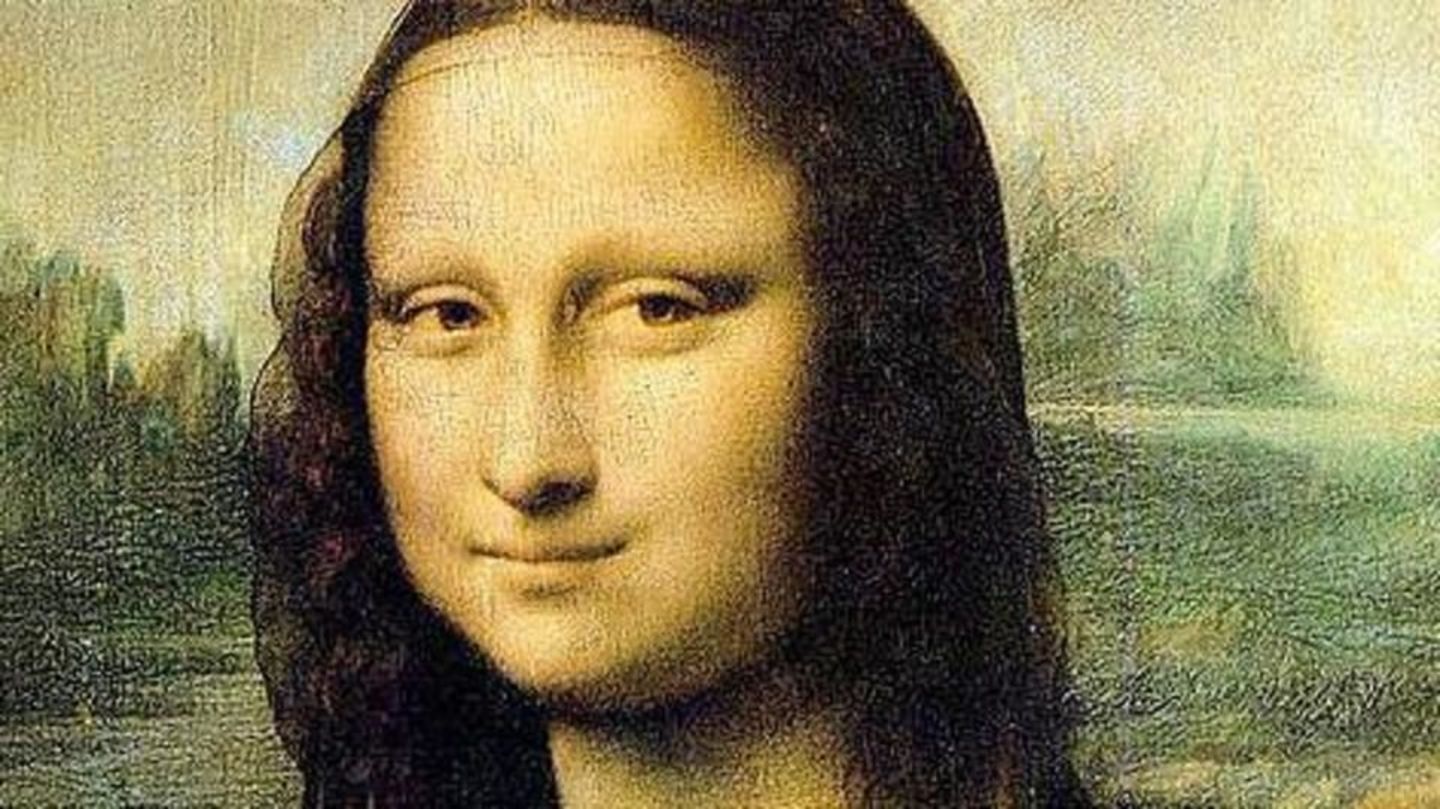
The Mona Lisa is one of the world’s most famous paintings, admired for its mysterious smile and extraordinary artistic detail. However, another Renaissance artwork has attracted attention because of its striking resemblance to Leonardo da Vinci’s masterpiece.
Commonly searched as Mona Lisa naked, this mysterious drawing is known as Monna Vanna or La Joconde Nue. Its history, uncertain authorship, and connection to Leonardo continue to fascinate art historians.
What Is the Mona Lisa Naked Drawing?
The Mona Lisa naked artwork is a Renaissance drawing depicting a partially nude figure seated in a position similar to the famous Mona Lisa.
The figure features crossed hands, long hair, and a subtle smile.
Unlike the original painting, which shows a woman wearing Renaissance clothing, Monna Vanna presents an idealized nude figure.
The drawing is generally dated between 1514 and 1516 and is associated with Leonardo da Vinci’s workshop. <Cite ref=”turn442538search0″/>
Who Created the Mona Lisa Naked Artwork?
The identity of the artist remains uncertain.
For many years, historians believed the drawing was produced by a student or assistant working in Leonardo’s workshop.
However, scientific investigations have suggested that Leonardo himself may have contributed to the artwork.
Researchers identified artistic characteristics associated with his techniques, including careful shading and evidence of left-handed drawing.
Although these findings strengthen the connection to Leonardo, they do not conclusively establish his authorship. <Cite ref=”turn442538search1″/>
Where Is the Mona Lisa Naked Drawing Located?
The famous Monna Vanna drawing is preserved at the Musée Condé in the Château de Chantilly, France.
It was purchased in 1862 by Henri d’Orléans, Duke of Aumale.
The artwork later became part of the museum’s important Renaissance collection.
Today, it remains a valuable historical object for researchers studying Leonardo’s workshop and artistic methods.
Differences Between Mona Lisa and Monna Vanna
Although the artworks share similarities, several characteristics distinguish them.
Clothing and Appearance
The original Mona Lisa portrays Lisa Gherardini wearing traditional clothing.
Monna Vanna presents a partially nude figure whose identity has not been established.
Artistic Materials
Leonardo painted the Mona Lisa using oil paints on a poplar wood panel.
The nude drawing was created primarily with black drawing materials and white highlights on prepared paper.
Artistic Purpose
The Mona Lisa is a portrait associated with an identifiable historical woman.
Monna Vanna may instead represent an idealized interpretation of Renaissance beauty.
Scientific Research Behind the Drawing
In 2017, specialists at the Centre for Research and Restoration of the Museums of France examined the Monna Vanna drawing.
Their investigation revealed that the artwork functioned as a preparatory cartoon.
Small perforations along its outlines indicate that artists could transfer the composition onto another surface.
Researchers also concluded that the drawing was connected to paintings produced within Leonardo’s workshop. <Cite ref=”turn442538search2″/>
Why Is the Mona Lisa Naked Artwork Famous?
The Mona Lisa naked drawing attracts attention because it combines a recognizable artistic composition with an unresolved historical mystery.
Its resemblance to Leonardo’s masterpiece raises questions about Renaissance creativity, workshop collaboration, and artistic experimentation.
The drawing also offers insight into how artists adapted successful compositions into different interpretations.
Is the Mona Lisa Naked Drawing Authentic?
Monna Vanna is an authentic historical Renaissance artwork, not a modern digital manipulation.
However, its attribution remains debated.
While experts generally connect the drawing to Leonardo’s artistic circle, his direct involvement has not been definitively established.
The distinction between an authentic historical drawing and a confirmed Leonardo original is important.
Final Thoughts
The Mona Lisa naked artwork remains an intriguing part of Renaissance art history.
Known as Monna Vanna, the drawing offers a fascinating connection to Leonardo da Vinci’s celebrated Mona Lisa.
Its unusual composition, uncertain creator, and historical significance continue inspiring research.
Whether completed by Leonardo himself or a talented workshop artist, Monna Vanna demonstrates the creativity and experimentation that defined Renaissance art.