
 By Admin
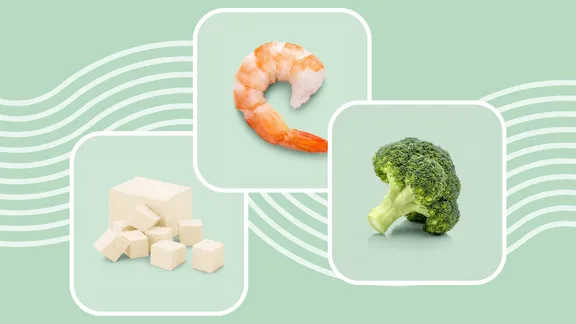
Losing weight doesn’t mean skipping meals or following extremely restrictive diets. Making healthier food choices and maintaining balanced eating habits can support gradual, sustainable weight loss. Choosing foods rich in protein, fiber, vitamins, and minerals helps you stay satisfied while meeting your nutritional needs.
If you’re wondering what foods to eat to lose weight, understanding which nutritious ingredients to include in your daily meals is an excellent starting point.
1. Eggs
Eggs are a nutritious source of protein that can help you feel full and satisfied.
Eating boiled or scrambled eggs with vegetables provides a balanced breakfast and may reduce unnecessary snacking.
2. Leafy Green Vegetables
Spinach, kale, lettuce, and other leafy greens are low in calories and rich in important nutrients.
Their fiber and water content can help increase meal volume without adding excessive calories.
Include them in salads, soups, and vegetable dishes.
3. Chicken Breast
Skinless chicken breast is an excellent source of lean protein.
Protein supports muscle maintenance during weight loss and can promote fullness.
Grilled, baked, or boiled chicken can be combined with vegetables and whole grains for a balanced meal.
4. Oatmeal
Oats contain soluble fiber, including beta-glucan, which supports digestive health and helps promote satisfaction after meals.
Choose plain oatmeal and add fresh fruit or a small portion of nuts instead of excessive sugar.
5. Greek Yogurt
Plain Greek yogurt provides protein and calcium.
Its high protein content makes it a convenient breakfast or snack option.
Choose varieties with little or no added sugar and combine them with berries for natural sweetness.
6. Apples and Berries
Fruits such as apples, strawberries, blueberries, and raspberries provide fiber, vitamins, and antioxidants.
Whole fruits offer more fiber than most fruit juices and can help satisfy sweet cravings.
7. Fish
Fish such as salmon, tuna, and sardines provide protein and valuable nutrients.
Salmon and sardines also contain omega-3 fatty acids, which support cardiovascular health.
Baking or grilling fish is a nutritious preparation method.
8. Beans and Lentils
Beans, chickpeas, and lentils are affordable sources of plant-based protein and fiber.
These nutrients can help you stay full longer.
Add legumes to soups, salads, curries, or grain bowls for satisfying meals.
9. Whole Grains
Brown rice, quinoa, whole-wheat bread, and barley provide fiber and important nutrients.
Replacing some refined grains with whole grains can improve dietary quality.
Portion sizes still matter because whole grains contain calories.
10. Nuts and Seeds
Almonds, walnuts, chia seeds, and flaxseeds provide healthy fats, fiber, and protein.
Although nutritious, nuts and seeds are calorie-dense, so moderate portions are important.
A small handful of nuts can make a satisfying snack.
Additional Tips for Healthy Weight Loss
Along with choosing nutritious foods, develop healthy daily habits.
- Drink water regularly instead of sugary beverages.
- Include protein and vegetables in main meals.
- Practice portion control without skipping necessary meals.
- Limit highly processed snacks and excess added sugar.
- Combine balanced nutrition with regular physical activity.
- Maintain consistent sleep and eating routines.
Remember that sustainable weight loss generally depends on overall eating patterns and energy balance rather than individual foods.
Conclusion
Understanding what foods to eat to lose weight can make healthy eating simpler and more enjoyable.
Foods such as eggs, vegetables, lean chicken, oatmeal, fruit, fish, and legumes provide essential nutrients while helping you feel satisfied.
By combining balanced meals, appropriate portions, regular movement, and consistent healthy habits, you can work toward sustainable weight management and improved overall well-being.