
 By Admin
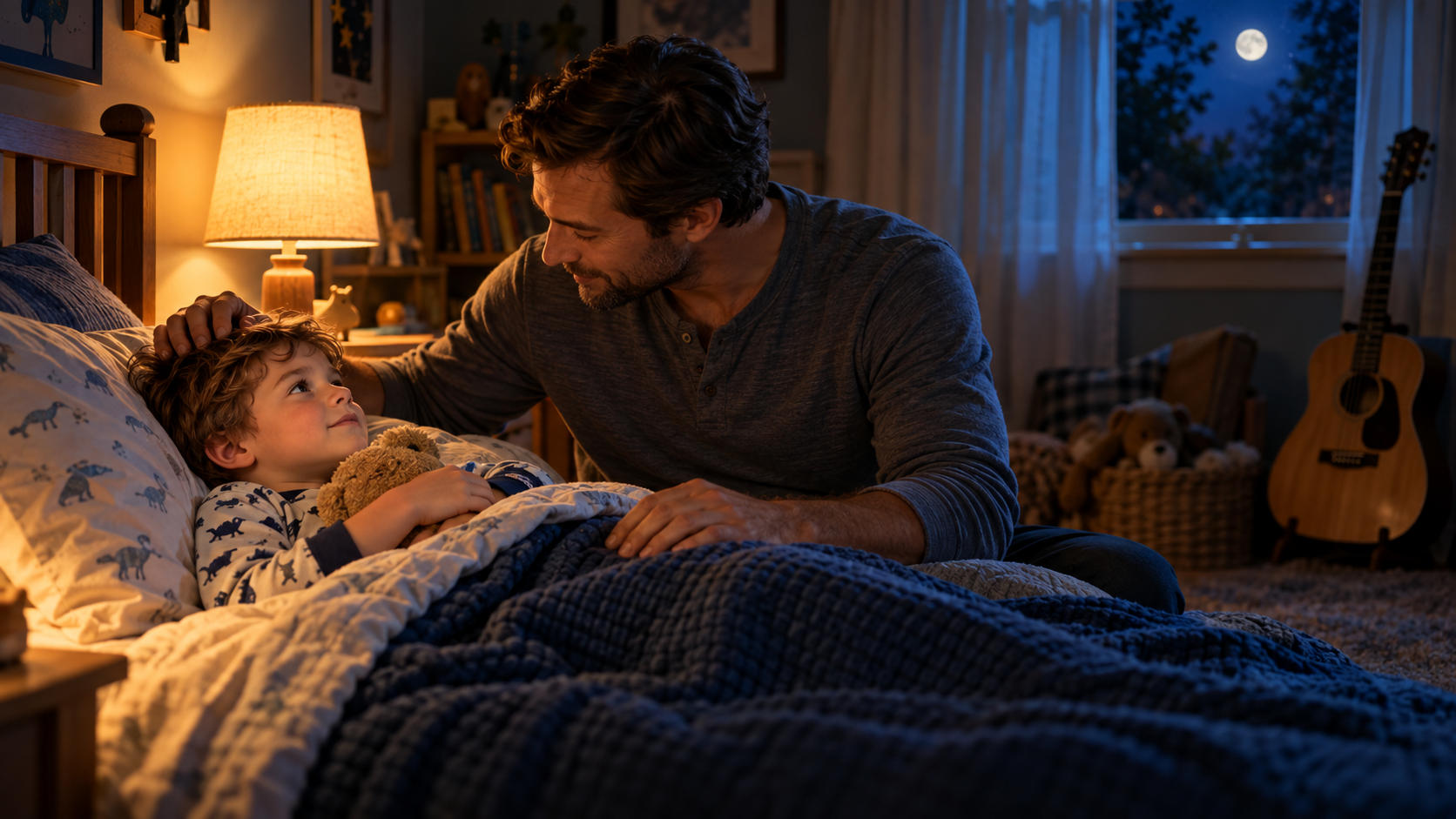
Few songs capture a parent’s love as simply and honestly as John Lennon’s “Beautiful Boy (Darling Boy).” Written for his young son Sean, the track feels less like a performance for a worldwide audience and more like a quiet conversation at bedtime. Lennon comforts a frightened child, imagines the years ahead, and reflects on how quickly ordinary life can interrupt even our most carefully made plans.
People searching for the Beautiful Boy lyrics are often looking for more than the words alone. They want to understand why the song feels so personal, who inspired it, and why its message became even more poignant after Lennon’s death. The answer lies in the stage of life he had reached by 1980: he was returning to music after years spent largely at home, discovering a version of fatherhood he had not experienced the first time around.
This article explores the lyrics’ meaning and context without reproducing the full copyrighted song text. Complete lyrics can be viewed through an authorized music service or the official John Lennon website.
“Beautiful Boy (Darling Boy)” at a Glance
| Detail | Information |
|---|---|
| Songwriter and performer | John Lennon |
| Written for | Sean Ono Lennon |
| Album | Double Fantasy by John Lennon and Yoko Ono |
| Release date | November 17, 1980 |
| Recording location | The Hit Factory, New York |
| Central themes | Parental love, comfort, time, hope, and uncertainty |
Who Was “Beautiful Boy” Written About?
John Lennon wrote “Beautiful Boy (Darling Boy)” for Sean Ono Lennon, his son with Yoko Ono. Sean was born on October 9, 1975—Lennon’s own birthday—and was five years old when Double Fantasy appeared.
By then, Lennon had spent several years away from the usual cycle of recording, touring, and publicity. He often described himself during this period as a househusband. Rather than treating domestic life as time lost between albums, he made family life central to his identity. In interviews collected on the official John Lennon website, he spoke openly about wanting to give Sean sustained attention and about the responsibility of being present for a child.
That background changes how the song is heard. It is not a distant celebrity writing a general tribute to childhood. It is a father speaking directly to his son from inside their everyday relationship. The tenderness does not feel decorative because it comes from routines Lennon was actively living: soothing fears, watching a child grow, and wondering what the future might hold.
What Do the Beautiful Boy Lyrics Mean?
At heart, the Beautiful Boy lyrics are about a parent trying to create safety in a world that can never be made completely safe. Lennon begins from a small, familiar moment—a child frightened by a bad dream—and gradually moves toward much larger thoughts about growing up, patience, change, and the unpredictability of life.
The song works because those ideas remain grounded in affection. Lennon does not lecture his son or pretend to know everything. He offers reassurance while admitting, indirectly, that the future cannot be controlled. That combination of comfort and uncertainty gives the song its emotional depth.
Comfort after fear
The opening scene presents a parent calming a child after a nightmare. It is an intimate image, but it also establishes the song’s broader purpose. The father cannot erase every frightening experience his son will face; he can only be present, offer perspective, and make the child feel less alone.
This is why the song connects with listeners who are not parents. Everyone understands the need to hear that fear will pass. The words recreate the feeling of someone trustworthy sitting beside you until the room no longer seems frightening.
Love expressed through presence
Many songs describe love as passion, longing, or heartbreak. “Beautiful Boy” presents love as attention. Its emotional center is not a grand promise or a dramatic sacrifice. It is the willingness to slow down, stay close, and accompany another person through ordinary life.
That idea was especially meaningful in Lennon’s biography. During the height of Beatlemania, his relationship with his older son, Julian, had been affected by touring, fame, and the breakdown of Lennon’s first marriage. Lennon later acknowledged that distance. His years at home with Sean represented an attempt to live fatherhood differently.
The song should not be treated as proof that every complicated family relationship had been repaired. It is better understood as a sincere portrait of the father Lennon wanted to be at that moment: attentive, gentle, and emotionally available.
The future cannot be rushed
One of the song’s central ideas is that growing up takes time. A parent may imagine future milestones, but childhood unfolds at its own pace. Lennon’s message is patient rather than demanding. He looks forward to the adult his son may become while valuing the child standing in front of him.
That balance explains why the song is popular at birthdays, family celebrations, and parent-child tributes. It recognizes the hope parents place in the future, yet reminds them not to overlook the present while waiting for the next stage.
Life interrupts our plans
The song contains Lennon’s most widely remembered observation about the difference between planning a life and actually living one. He did not originate the underlying saying; versions had appeared in print decades earlier and are commonly associated with cartoonist Allen Saunders. Lennon’s use of the thought, however, brought it to an enormous new audience.
Within “Beautiful Boy,” the idea does not feel like a detached piece of philosophy. It grows naturally from a father imagining his son’s future. Adults make plans because they want security and direction, but the moments that shape a family often arrive unannounced. A child changes, a routine becomes a memory, and years pass while everyone is focused on what comes next.
The thought became painfully resonant because Double Fantasy was released only weeks before Lennon was killed. Listeners inevitably hear the song with knowledge its writer did not have: he would not be present for the future he was imagining. That history adds sadness, but it should not erase the warmth in the recording. The song was created as an expression of life and love, not as a farewell.
Why Does the Song Sound Like a Lullaby?
The music supports the words by remaining soft, spacious, and gently repetitive. Acoustic guitars give the recording an intimate foundation, while light percussion and Robert Greenidge’s steel drums add a warm, floating color. The official Double Fantasy credits also identify the wider studio band, including guitarist Hugh McCracken, bassist Tony Levin, keyboardist George Small, drummer Andy Newmark, and percussionist Arthur Jenkins Jr.
Nothing in the arrangement competes with Lennon’s voice. The rhythm sways rather than pushes, creating the sensation of rocking a child to sleep. Subtle shifts in texture keep the track from becoming sentimental or overly sweet. It feels domestic but carefully crafted—a private bedtime mood translated into a studio recording.
The steel drums are especially distinctive. Their rounded, shimmering tone gives the song a dreamlike atmosphere without making it feel unreal. The result sits somewhere between a lullaby, a personal letter, and a quiet piece of pop music.
“Beautiful Boy” Within Double Fantasy
Released in 1980, Double Fantasy was designed as a dialogue between John Lennon and Yoko Ono. Their songs alternate, presenting different views of marriage, desire, conflict, domestic life, and family. The official album history describes parenthood and mature relationships as central subjects of the record.
In that sequence, “Beautiful Boy (Darling Boy)” provides a sudden release of tension. Songs around it explore adult uncertainty and emotional friction, while Lennon’s address to Sean returns the album to a simpler form of devotion. Yoko Ono’s “Beautiful Boys,” also on the album, acts as a companion piece but is a separate song. Her track broadens its address beyond Sean, whereas Lennon’s remains an intimate father-to-son message.
The distinction matters because the similar titles can cause confusion. When listeners search for the Beautiful Boy lyrics, they are usually looking for Lennon’s singular “Beautiful Boy (Darling Boy),” not Ono’s “Beautiful Boys.”
Why the Lyrics Still Affect Listeners
The song’s staying power comes partly from its specificity. Lennon uses a private relationship to express feelings that many families recognize. The more directly he addresses Sean, the easier it becomes for listeners to think of their own child, parent, or younger self.
Several qualities keep the song emotionally immediate:
- It speaks plainly. The language is warm and understandable rather than poetic for its own sake.
- It allows love and fear to coexist. Reassurance matters because the future is uncertain.
- It values ordinary time. The song treats domestic presence as meaningful, not secondary to public achievement.
- It avoids perfection. Lennon sounds like a parent trying to offer wisdom, not someone claiming complete control.
- Its history deepens its meaning. Knowing that Lennon’s time with Sean was cut short makes every hope for the future feel fragile.
Paul McCartney later described the song as beautiful and moving, according to recollections published on Lennon’s official site. That response makes sense. Beneath the complicated history surrounding the Beatles and Lennon himself, the song communicates something direct: a father loves his child and wants more time with him.
A Song About Fatherhood—and About Change
“Beautiful Boy” is sometimes described only as a sweet song for a child. It is that, but it is also a record of Lennon’s changing idea of adulthood. The rebellious young musician who once defined himself against convention was now finding artistic material in caregiving, marriage, and life at home.
This shift was part of the larger question behind Double Fantasy: could family life inspire serious art as powerfully as conflict, fame, or self-destruction? “Beautiful Boy” offers Lennon’s clearest answer. Domestic love did not make his writing smaller. It gave him a new way to write about time, vulnerability, and responsibility.
The song also complicates the familiar image of success. Public achievement had already given Lennon wealth and permanent fame. Yet the emotion of “Beautiful Boy” comes from a quieter measure of a life: whether the people closest to us feel loved while we are still there to show them.
Frequently Asked Questions
Who wrote “Beautiful Boy (Darling Boy)”?
John Lennon wrote and performed the song. It appeared on Double Fantasy, the album he made with Yoko Ono and released in November 1980.
Is “Beautiful Boy” about Julian Lennon or Sean Lennon?
The song is addressed to Sean Ono Lennon. Lennon’s reflections on his more distant relationship with Julian form an important part of the biographical context, but Sean is the “beautiful boy” in the recording.
What is the main message of the Beautiful Boy lyrics?
The lyrics express a father’s love and his desire to comfort, protect, and remain present for his son. They also recognize that children need time to grow and that real life rarely follows a perfect plan.
Which album includes “Beautiful Boy”?
The song appears on Double Fantasy by John Lennon and Yoko Ono. The album was recorded in New York and released on November 17, 1980.
Did John Lennon invent the song’s famous saying about life and plans?
No. Earlier versions circulated before Lennon recorded the song and are frequently credited to writer and cartoonist Allen Saunders. Lennon’s version became the best-known because of the song’s worldwide reach.
Where can I read the complete Beautiful Boy lyrics?
Use an authorized source such as the official John Lennon website or a licensed streaming platform that displays lyrics. This article focuses on interpretation and does not reproduce the copyrighted lyric text.
Final Thoughts
The Beautiful Boy lyrics endure because they turn a private bedtime moment into a universal reflection on love and time. Lennon sings as a father trying to calm his son, but beneath that reassurance is an adult realization: no parent can control the future or make childhood last.
More than four decades after its release, “Beautiful Boy (Darling Boy)” still feels intimate. Its tenderness is not complicated, yet its meaning grows with experience. Children may hear comfort. Parents may hear hope and worry. Older listeners may hear the speed with which family life becomes memory.
That is the song’s quiet achievement. It does not offer a grand theory of parenthood. It simply asks us to be present for the people we love while the future is still arriving.