
 By Admin
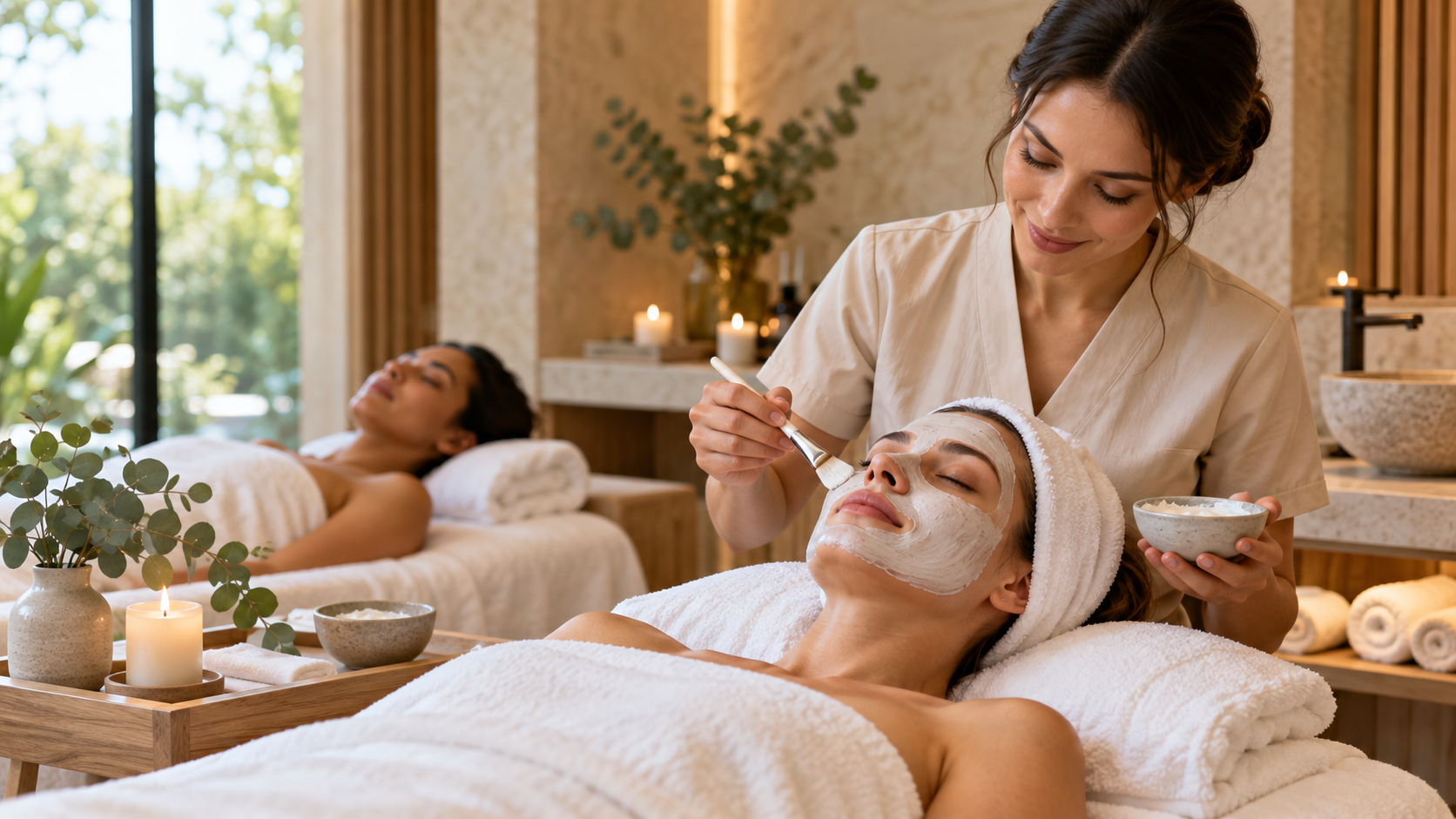
Life moves quickly, and it is easy to put personal care at the bottom of a long to-do list. A visit to a beauty spa offers a chance to pause, recharge, and give your skin and body some thoughtful attention. It is not only about looking polished for a special event. For many people, spa time is part of a balanced routine that helps them feel rested, confident, and cared for.
A modern beauty spa may offer everything from facials and massages to manicures, waxing, body treatments, and makeup services. With so many choices available, knowing where to begin can feel overwhelming. This guide explains what a beauty spa is, which treatments you may find, how to choose the right place, and what to expect during your first appointment.
What Is a Beauty Spa?
A beauty spa is a place where clients can receive professional beauty, grooming, relaxation, and skincare treatments in a calm setting. Unlike a traditional salon, which may focus mainly on hair and nails, a beauty spa usually provides a wider range of services designed for both appearance and overall comfort.
Every spa is different. Some are small neighborhood studios with a personal atmosphere, while others are large wellness destinations with treatment rooms, saunas, pools, and relaxation lounges. Day spas are designed for appointments that last a few hours, while resort spas often combine treatments with fitness, dining, and overnight stays.
The best beauty spa experience is not defined by luxury alone. Clean surroundings, trained professionals, careful consultations, suitable products, and respectful service matter far more than expensive décor.
Popular Beauty Spa Treatments
Before booking, it helps to understand the most common treatments and what each one is designed to do.
Facials and Professional Skincare
Facials are among the most requested beauty spa services. A standard facial may include cleansing, gentle exfoliation, steam, a mask, moisturizer, and facial massage. The exact steps should be adjusted to your skin type and current concerns.
Some spas also offer hydrating facials, brightening treatments, calming treatments for sensitive-looking skin, or deep-cleansing sessions for congested pores. More advanced options may involve peels, microdermabrasion, LED devices, or other specialist techniques. These services require a proper consultation because stronger treatments are not suitable for every person or every skin condition.
A good aesthetician should ask about allergies, sensitivity, medications, recent procedures, and your usual skincare routine before recommending a facial. Be honest about your skin history; it helps the professional choose safer products and avoid unnecessary irritation.
Massage and Relaxation Treatments
Massage is often associated with wellness spas, but many beauty spas include it in their service menu. A relaxation massage generally uses smooth, flowing movements and light-to-medium pressure. Other treatments may focus on the back, neck, shoulders, scalp, hands, or feet.
The goal of a relaxation treatment is to help you slow down and feel more comfortable. Pressure should always be discussed before the session begins. If anything feels painful, too hot, too cold, or simply uncomfortable, tell the therapist immediately. Professional spa staff will want you to speak up.
Body Scrubs and Wraps
Body treatments bring the same care given to facial skin to the rest of the body. A body scrub removes surface buildup with a textured product, leaving the skin feeling smoother. A body wrap may use clay, seaweed, mud, oils, or rich creams before the body is covered for a short period.
These services can be enjoyable before a holiday or special occasion, especially when dry skin needs extra attention. However, freshly shaved, sunburned, irritated, or broken skin may react badly to exfoliation. Ask the spa whether you should postpone the treatment if your skin is sensitive.
Manicures and Pedicures
Manicures and pedicures combine grooming with a little relaxation. Services may include shaping the nails, caring for the cuticles, moisturizing the skin, applying polish, and giving a brief hand or foot massage.
Hygiene is especially important. Tools should be properly cleaned and disinfected between clients, and single-use items should not be reused. If you have a cut, rash, nail infection, or another concern, wait until it has been assessed or resolved before booking a nail treatment.
Hair Removal and Brow Services
Waxing, threading, sugaring, brow shaping, and tinting are common beauty spa treatments. Results depend on the method, the treatment area, and individual hair growth.
Ask about preparation before your appointment. Certain skincare ingredients, recent peels, or strong exfoliants can make skin more vulnerable during waxing. A reputable professional will check for possible conflicts rather than beginning the service without questions.
Makeup and Occasion Packages
Many beauty spas offer professional makeup for weddings, parties, photographs, and other events. Packages may combine makeup with a facial, brow shaping, manicure, pedicure, or massage.
If you are preparing for an important occasion, avoid trying an unfamiliar intensive treatment immediately beforehand. Schedule a trial when possible, and leave enough time for your skin to settle after waxing, exfoliation, or a facial.
Why Visit a Beauty Spa?
People visit spas for different reasons. Some want professional help with their skincare routine. Others are preparing for an event or simply want uninterrupted time away from daily responsibilities.
One of the most valuable parts of a spa visit is the opportunity to be fully present. Phones are usually put away, the environment is quiet, and someone else takes care of the details. That pause can feel refreshing even when the appointment is brief.
Professional guidance is another benefit. Product shelves can be confusing, especially when trends promise instant results. An experienced beauty therapist can help you understand your skin type, notice signs of sensitivity, and create a simpler routine. A responsible professional will also recognize when a concern falls outside cosmetic care and should be discussed with a qualified healthcare provider.
Regular grooming treatments can also make daily routines easier. Neatly shaped brows, cared-for nails, smoother skin, or a well-timed facial may help you feel more put together without adding extra work each morning.
How to Choose the Right Beauty Spa
A beautiful website or stylish reception area does not guarantee excellent service. Look beyond the photographs and consider the following details.
Check Cleanliness and Hygiene
Treatment rooms, towels, equipment, tools, and shared areas should appear clean and well maintained. Staff members should wash or sanitize their hands as appropriate, use fresh linens, and follow safe practices for every service. If the environment feels unhygienic, it is reasonable to leave.
Look for Trained Professionals
Ask who will perform your treatment and what training they have. Requirements vary by location and service, but the spa should be open about staff qualifications. Advanced treatments require appropriate expertise and should never be presented as casual add-ons.
Expect a Real Consultation
A consultation is a sign that the spa sees you as an individual rather than the next appointment on the schedule. Staff should ask about your goals, sensitivities, allergies, recent treatments, relevant health information, and preferred level of pressure or interaction.
Review the Menu and Prices
Service descriptions should explain what is included, how long the appointment lasts, and how much it costs. Ask whether gratuity, product upgrades, removal fees, or facility access cost extra. Clear pricing prevents an otherwise pleasant day from ending with an uncomfortable surprise.
Read Reviews Thoughtfully
Reviews can reveal patterns in cleanliness, punctuality, customer care, and treatment quality. Focus on repeated comments rather than a single glowing or angry review. Recent feedback is usually more useful because spa staff and procedures can change.
Notice How the Spa Communicates
The experience begins before you arrive. Helpful staff should answer reasonable questions, explain policies, and avoid pressuring you into expensive packages. Good communication is especially important if you have sensitive skin, mobility needs, privacy concerns, or specific preferences.
What to Expect on Your First Visit
Try to arrive 10 to 15 minutes early. You may be asked to complete a consultation form covering allergies, medications, skin concerns, and relevant medical history. Provide accurate information, even if a question seems unrelated to the treatment.
Your therapist should explain the service before starting. For treatments that require changing clothes, you should be given privacy and clear instructions. Professional draping is used during massage and body services so only the area being treated is uncovered.
You remain in control throughout the appointment. You can ask questions, request a change in pressure, decline a product, or stop the service. It is also fine to say whether you prefer conversation or quiet.
After the treatment, the professional may recommend simple aftercare. You might be advised to avoid heavy makeup, strong exfoliants, heat, sun exposure, or strenuous activity for a certain period, depending on the service. Follow the instructions specific to your treatment rather than relying on general advice online.
How to Prepare for a Beauty Spa Appointment
A little preparation can make the experience smoother:
- Confirm the appointment time, cancellation policy, price, and treatment length.
- Tell the spa about allergies, sensitivities, pregnancy, recent procedures, or relevant medications when booking.
- Avoid experimenting with harsh new skincare products just before a facial.
- Do not arrive with sunburned, broken, or actively irritated skin.
- Eat a light meal and drink water so you feel comfortable during the visit.
- Wear simple, comfortable clothing and leave valuable jewelry at home.
- Plan extra time afterward so you do not have to rush immediately into another commitment.
For event preparation, ask the spa how far in advance to schedule each service. A relaxing manicure may work well close to the event, while an intensive facial or unfamiliar treatment is usually better tested earlier.
Making Beauty Spa Visits Part of Your Routine
You do not need a complicated monthly package to benefit from professional care. Start with your priorities and budget. One person may value an occasional massage, while another may prefer seasonal facials or regular brow appointments.
Consistency at home matters more than booking every treatment on the menu. Gentle cleansing, moisturizer, sun protection, adequate rest, and habits suited to your needs can support the results of professional services. Think of the beauty spa as a helpful partner in your routine, not a replacement for everyday care.
Be cautious of pressure to buy numerous products after an appointment. Ask why each item is being recommended, how it fits into your existing routine, and whether there is a simpler option. A trustworthy professional should be comfortable giving you time to decide.
Frequently Asked Questions About Beauty Spas
How often should I visit a beauty spa?
There is no universal schedule. It depends on the treatment, your goals, your budget, and how your skin or body responds. Ask the professional for a realistic recommendation, but do not feel obligated to book more frequently than you want.
What should I wear to a spa?
Comfortable, easy-to-change clothing is ideal. The spa may provide a robe, slippers, disposable garments, or towels for certain services. If you are unsure, ask when confirming the appointment.
Should I remove makeup before a facial?
You can arrive without makeup if convenient, but most facial services begin with cleansing. The spa can tell you whether your chosen treatment has any special preparation requirements.
Is it okay to visit a spa with sensitive skin?
Often, yes, but disclose your sensitivities before booking and again during the consultation. Ask for gentle options and a patch test when appropriate. If you have an active or unexplained skin problem, seek qualified medical advice before a cosmetic treatment.
Do I need to tip at a beauty spa?
Tipping customs vary by country, venue, and service. Some spas include a service charge, while others leave gratuity to the client. Check the policy in advance if you are uncertain.
Can I use my phone during a treatment?
Most spas encourage guests to silence their phones to protect the calm atmosphere. Taking photos or calls in shared areas may also affect other guests’ privacy, so follow the spa’s rules.
A Beauty Spa Visit Should Feel Personal
The right beauty spa gives you more than a treatment. It creates a comfortable space where you can slow down, receive thoughtful care, and leave feeling refreshed. Whether you book a facial, massage, manicure, or complete spa package, the experience should be clean, professional, transparent, and suited to your individual needs.
Choose a spa that listens carefully, explains its services, and respects your boundaries. Start with one treatment that genuinely appeals to you, communicate openly with your therapist, and give yourself permission to enjoy the pause. Beauty may be part of the experience, but feeling cared for is what makes a spa visit truly worthwhile.