
 By Admin
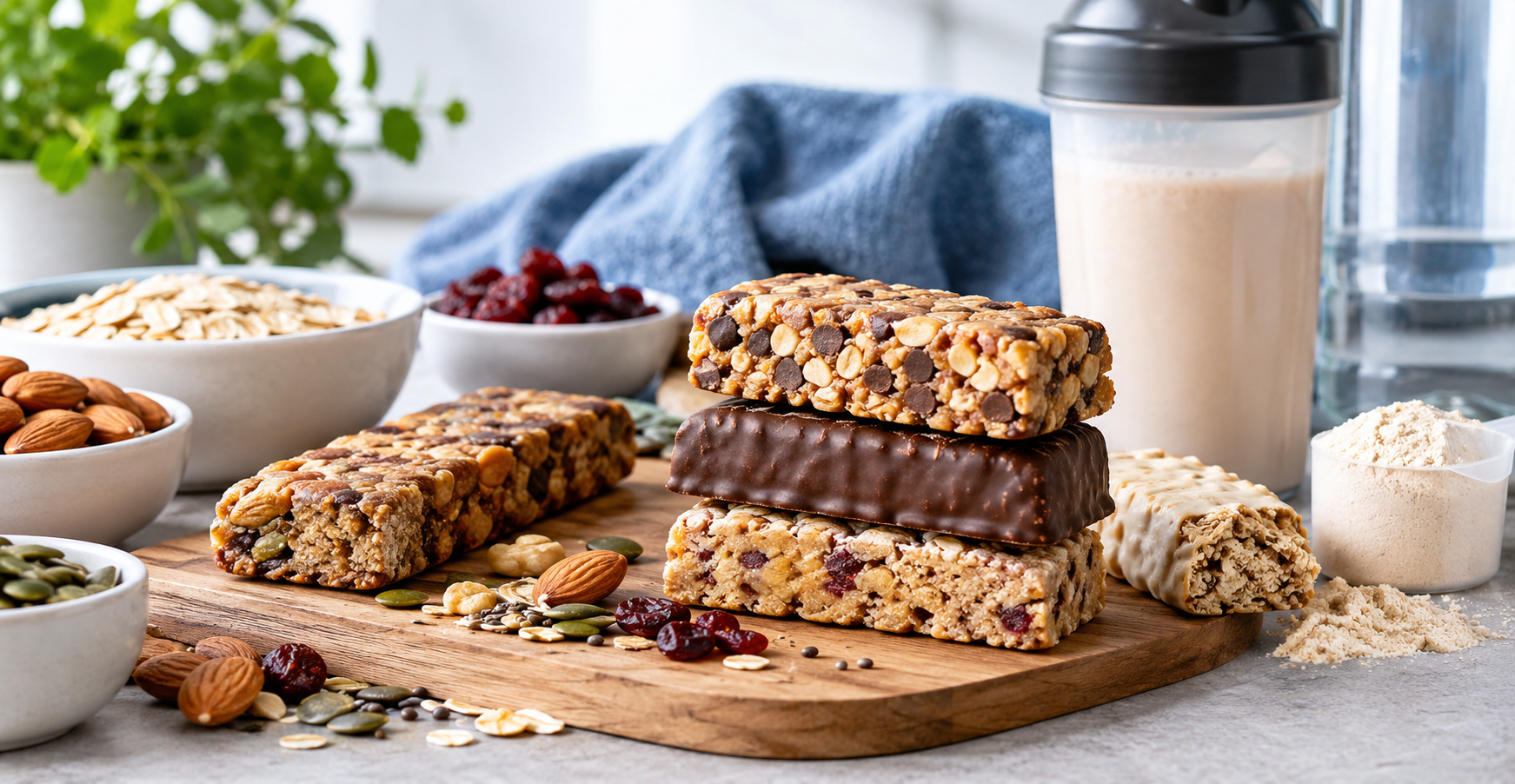
Finding the cleanest protein bars can feel surprisingly difficult. Walk down the snack aisle, and you will see dozens of options promising high protein, low sugar, natural ingredients, and better nutrition. Some bars contain simple ingredients such as nuts, seeds, dates, and whey protein, while others rely on long ingredient lists, sugar alcohols, artificial sweeteners, or heavily processed protein blends.
The good news is that you do not need to be a nutrition expert to make a better choice. By learning how to read ingredient labels, compare protein content, and understand common sweeteners, you can find a protein bar that fits your diet and lifestyle.
Whether you need a quick breakfast, a convenient post-workout snack, or something to keep in your bag during a busy day, the cleanest protein bars can offer a practical way to add protein to your routine. The key is knowing what clean really means and which nutritional qualities deserve your attention.
What Are the Cleanest Protein Bars?
The cleanest protein bars are generally those made with recognizable ingredients, useful amounts of protein, reasonable added sugar, and minimal unnecessary additives. They are designed to provide convenient nutrition without relying on an excessive number of artificial ingredients or highly refined sweeteners.
However, there is no universally accepted legal definition of a clean protein bar. One person might prefer a bar made entirely from plant-based ingredients, while another might choose a whey-based bar because it provides a complete protein source. Both options can fit into a balanced diet.
Instead of judging a product by its marketing, look at its full ingredient list and Nutrition Facts panel.
A protein bar may be worth considering if it offers:
- A meaningful amount of protein per serving.
- Ingredients you recognize and can comfortably include in your diet.
- A reasonable amount of added sugar.
- A calorie count that matches your needs.
- A protein source suited to your dietary preferences.
- Limited ingredients that cause digestive discomfort or allergic reactions.
The goal is not necessarily to find a bar with the shortest ingredient list. It is to choose one that provides useful nutrition, tastes good, and fits your everyday eating habits.
What Makes a Protein Bar Clean?
Several factors can help you evaluate whether a protein bar deserves a place in your pantry. No single characteristic tells the whole story, so it is best to consider the ingredients, nutritional value, and your personal requirements together.
1. Simple, Recognizable Ingredients
Many people start by looking for protein bars made with ingredients such as almonds, peanuts, pumpkin seeds, oats, dates, cocoa, and milk protein.
These ingredients are easy to identify and can contribute protein, fiber, healthy fats, or carbohydrates. For example, a bar containing nuts and seeds may provide a combination of protein and unsaturated fats, while a date-based bar may offer carbohydrates for energy.
Still, recognizable ingredients do not automatically make a bar nutritionally superior. A product made from dates, nuts, and chocolate can contain considerable calories and sugar, even if those sugars come primarily from fruit.
The better approach is to consider the complete nutritional profile rather than focusing on whether every ingredient sounds natural.
2. A Useful Amount of Protein
Protein content is one of the most important details to compare. Many protein bars provide approximately 10 to 20 grams of protein per serving, although some contain more or less.
The amount you need depends on the purpose of the snack and your overall diet.
A smaller bar with 10 grams of protein may be suitable as a light snack. A bar containing 15 to 20 grams might be more useful after a workout or when you need something more filling between meals.
Pay attention to the source as well as the quantity. Common protein ingredients include:
- Whey protein concentrate or isolate.
- Milk protein concentrate.
- Casein protein.
- Soy protein.
- Pea protein.
- Brown rice protein.
- Nuts and seeds.
Whey, milk, and soy proteins can provide all nine essential amino acids. Plant-based bars can also provide useful protein, although the amino acid profile varies by source and combination.
If muscle recovery is your priority, choose a bar that supplies enough protein to complement your regular meals rather than assuming that the highest-protein product is automatically the best.
3. Moderate Added Sugar
Sugar is another important consideration when comparing the cleanest protein bars.
Some bars contain several forms of added sugar, including cane sugar, brown rice syrup, honey, tapioca syrup, and glucose syrup. Others use dates, dried fruit, or non-sugar sweeteners to create a sweet taste.
A bar with little added sugar may be a sensible everyday choice, particularly if you already consume sweetened drinks, desserts, or packaged snacks.
As a practical starting point, compare bars containing around 0–5 grams of added sugar per serving with products that contain substantially more. This is a guideline for comparison, not a strict definition of a healthy bar.
Also distinguish between total sugars and added sugars. Total sugars can include naturally occurring sugars from milk or fruit, whereas added sugars are introduced during processing.
A date-sweetened bar may have a higher total sugar value without containing added sugar as defined on the label. It can still be calorie-dense, so portion size matters.
4. Fiber That Supports Fullness
Fiber can make a protein bar more satisfying, especially when you eat it between meals.
Ingredients such as oats, nuts, seeds, and certain added fibers can contribute to the total. Depending on your needs, a bar with around 3–5 grams of fiber may be a useful option.
However, more fiber is not always better for everyone. Some bars contain large amounts of inulin, chicory root fiber, or other added fibers that can cause bloating, gas, or abdominal discomfort in sensitive individuals.
If you have experienced digestive issues after eating protein bars, try a product with a simpler formula and a moderate fiber content. Introduce it gradually and pay attention to how your body responds.
5. A Suitable Sweetener and Additive Profile
Clean-label shoppers often look for bars without artificial colors, flavors, or preservatives. Others prefer to avoid sugar alcohols such as maltitol, sorbitol, and erythritol.
These preferences can be reasonable, but additives should be evaluated individually rather than treated as automatically harmful.
For example, sugar alcohols can help reduce sugar content, but some may cause digestive discomfort when consumed in larger amounts. Stevia and monk fruit extracts are used to provide sweetness without the same sugar contribution as conventional sweeteners.
Natural flavorings, emulsifiers, and stabilizers may also appear in protein bars to improve taste and texture. Their presence does not, by itself, mean the product is unhealthy.
Choose the formulation that suits your preferences, digestion, and dietary needs instead of assuming that every ingredient with a scientific name should be avoided.
Best Types of Clean Protein Bars to Consider
Rather than relying on a single definition of clean, it helps to understand the main categories available. Each type has advantages and potential drawbacks.
Whole-Food Protein Bars
Whole-food-style bars commonly contain nuts, seeds, dates, oats, and other recognizable ingredients. Some include egg whites or additional protein ingredients to increase their protein content.
These bars can be attractive to people who prefer a less complicated ingredient list.
Best for: Everyday snacking and people who prefer familiar food ingredients.
What to watch: Some products are relatively low in protein compared with their calorie content. Others contain considerable sugar from dates or dried fruit.
Read the label carefully because a whole-food-style bar is not necessarily a high-protein product.
Whey Protein Bars
Whey protein comes from milk and is widely used in sports nutrition products. It contains all essential amino acids and is particularly useful for people who want a convenient source of protein after exercise.
Whey protein isolate generally contains a higher proportion of protein and less lactose than whey concentrate, although the exact composition depends on the product.
Best for: People who consume dairy and want a convenient, protein-rich snack.
What to watch: Some whey bars contain substantial amounts of added sugar, sugar alcohols, coatings, or other ingredients that may not match your preferences. People with milk allergies should avoid whey protein.
Plant-Based Protein Bars
Plant-based bars may use pea, soy, rice, or other plant proteins. They can be suitable for vegans and people who prefer to limit animal-derived ingredients.
Some products combine different plant proteins to provide a more balanced amino acid profile.
Best for: Vegan diets and people looking for dairy-free alternatives.
What to watch: Check the protein content, added sugar, and allergen statement. Plant-based does not automatically mean minimally processed, and some products contain long ingredient lists.
Egg White Protein Bars
Egg whites provide a high-quality protein source and contain all essential amino acids. Some bars use egg white protein alongside nuts, dates, or other ingredients.
These products can appeal to people who want an alternative to whey or milk protein.
Best for: People looking for a non-dairy protein source who tolerate eggs.
What to watch: Egg allergies, added sweeteners, and the overall protein content. Not every egg-based snack contains enough protein to function as a substantial protein bar.
Low-Sugar Protein Bars
Low-sugar bars may use concentrated protein ingredients and non-sugar sweeteners to reduce their sugar content.
They can be helpful for people monitoring added sugar or looking for a less sweet snack.
Best for: People who want to limit added sugar while maintaining a convenient protein intake.
What to watch: Some low-sugar bars contain sugar alcohols or added fibers that may upset your stomach. Check the total calories and protein rather than judging the product solely by its sugar content.
Clean Protein Bars Worth Comparing
Several established brands offer products that may fit different interpretations of clean eating. Their formulations vary by product and market, so always check the specific flavor and package available to you.
RXBAR
RXBAR is known for bars built around ingredients such as dates, egg whites, nuts, and flavor-specific additions.
Its whole-food-style approach appeals to shoppers who prefer recognizable ingredients and want a convenient snack without relying on a conventional candy-style coating.
The date-based formulation provides sweetness, while egg whites contribute protein.
Why consider it: A relatively straightforward ingredient approach.
Potential drawback: Dates contribute natural sugar, and the bars may be less suitable for people seeking very low-sugar options. Egg and nut allergens are also relevant.
ALOHA Protein Bars
ALOHA offers plant-based protein bars, with formulations that commonly use ingredients such as organic plant proteins, nuts, and other flavor-specific components.
These products may appeal to people following vegan diets or looking for an alternative to dairy-based protein bars.
Why consider it: Plant-based formulations and options designed for convenient snacking.
Potential drawback: Nutritional values and ingredient lists vary by flavor. Check the protein content, added sugar, and fiber sources before choosing.
GoMacro MacroBars
GoMacro makes plant-based bars using ingredients that may include nuts, seeds, brown rice syrup, and plant protein, depending on the variety.
Some products are designed as more substantial snacks rather than very low-calorie protein supplements.
Why consider it: A range of plant-based options for people who value organic ingredients and familiar food components.
Potential drawback: Some varieties contain appreciable amounts of added sugar or calories. Compare the individual products rather than treating the entire range as nutritionally identical.
KIND Protein Bars
KIND offers nut-based snack bars, including varieties designed to provide additional protein.
Nuts can contribute unsaturated fats, fiber, and some protein, making them useful ingredients in a filling snack.
Why consider it: Nut-forward options with a familiar texture and flavor.
Potential drawback: Protein content, added sugar, and ingredients differ among product lines. Some standard nut bars are not equivalent to dedicated high-protein bars, so confirm the nutrition label.
No Cow Protein Bars
No Cow is known for dairy-free protein bars, with many formulations using plant proteins and non-sugar sweeteners.
These products can suit shoppers looking for a relatively high amount of protein without relying on dairy ingredients.
Why consider it: Plant-based protein and options with low or no added sugar, depending on the formulation.
Potential drawback: Some varieties use sugar alcohols or added fibers that can cause digestive symptoms. If you are sensitive to these ingredients, compare the sweetener and fiber sections carefully.
Quest Protein Bars
Quest produces protein bars that are popular among people seeking higher protein and lower sugar.
Many varieties use dairy-derived proteins and sweeteners such as stevia or sugar alcohols, although formulas differ.
Why consider it: A convenient option for people who prioritize protein content and low sugar.
Potential drawback: The ingredient list may be more complex than that of a simple nut-and-date bar. Some varieties may also cause digestive discomfort in sensitive individuals.
Larabar
Larabar is primarily known for fruit-and-nut bars rather than traditional high-protein sports bars.
Many varieties use dates, nuts, and a relatively short list of additional ingredients.
Why consider it: A simple, fruit-and-nut snack with recognizable ingredients.
Potential drawback: Many varieties provide less protein than dedicated protein bars. Larabar can be a good snack, but it should not automatically be treated as a replacement for a 15–20-gram protein serving.
How to Compare Clean Protein Bars
The easiest way to choose between products is to compare the same information for each serving.
| What to check | A useful starting point | Why it matters |
|---|---|---|
| Protein | Around 10–20 g | Helps determine whether the bar meets your needs |
| Added sugar | Around 0–5 g if limiting sugar | Makes it easier to compare sweetened products |
| Fiber | Around 3–5 g, if tolerated | Can contribute to fullness |
| Calories | Based on your meal or snack needs | Helps you assess the bar in context |
| Ingredients | Familiar and suitable for your preferences | Helps you evaluate the formulation |
| Allergens | Clearly checked before eating | Helps avoid ingredients you cannot safely consume |
These figures are practical comparison points, not universal nutritional requirements. A larger bar intended to replace part of a meal will naturally have a different profile from a small snack bar.
Also remember that a product’s front label may emphasize protein while giving less attention to calories, saturated fat, or added sugar. The full label offers a more useful picture.
Are Clean Protein Bars Healthy?
Clean protein bars can be part of a balanced diet, but their health value depends on the ingredients, portion size, and the rest of your eating habits.
They are convenient, portable, and often easier to store than perishable protein-rich foods. For someone with a busy schedule, a suitable bar can help fill a gap between meals.
However, protein bars should not automatically replace whole foods. Foods such as eggs, yogurt, beans, lentils, fish, tofu, nuts, and milk can supply protein alongside other nutrients.
A protein bar can also contain more calories or sweeteners than you expect. The word “clean” on packaging does not guarantee that the product is low in sugar, minimally processed, or suitable for every diet.
A sensible approach is to use bars when convenience matters and rely on a variety of foods for most of your regular meals.
What to Avoid When Shopping for Clean Protein Bars
There is no need to reject every bar that contains an unfamiliar ingredient. Nevertheless, several common issues deserve attention.
Excessive Added Sugar
If your goal is to limit added sugar, avoid assuming that a bar is a healthy choice simply because it contains protein.
Compare the added sugar value across similar products. Remember that honey, syrups, and other sweeteners can contribute added sugars, while sugars naturally present in fruit are generally listed differently.
Sweeteners That Cause Digestive Problems
Maltitol, sorbitol, and certain other sugar alcohols can cause gas, bloating, or loose stools in some people. Large amounts of added fiber can also be uncomfortable.
If you notice a consistent pattern of symptoms after eating a particular bar, consider a different formulation rather than forcing yourself to tolerate it.
Very Low Protein for the Calories
Some fruit-and-nut bars are marketed near protein-focused products even though their main nutritional contribution is carbohydrates and fat.
That does not make them bad snacks. It simply means they may not be the best choice if you specifically need a substantial amount of protein.
Unnecessary Ingredients for Your Personal Needs
People with allergies, intolerances, or particular dietary requirements should pay close attention to ingredient and allergen statements.
For example, a plant-based bar may still contain nuts or soy. A dairy-based bar may not be suitable for someone with a milk allergy, even if its sugar content is low.
Choose based on your actual needs rather than broad claims about what everyone should avoid.
How to Choose the Cleanest Protein Bar for Your Goal
Your ideal bar depends on why you want it in the first place.
For Muscle Recovery
Look for a bar that provides a useful amount of complete protein, such as whey, milk, soy, or an appropriately formulated plant-protein blend.
Around 15–20 grams can be a practical amount for a convenient snack, although your total daily protein intake and the size of your meals matter more than a single bar.
For Weight Management
Choose a portion that fits your overall calorie needs and provides enough protein to make the snack satisfying.
A lower-calorie bar is not automatically better if it leaves you hungry shortly afterward. Consider protein, fiber, taste, and portion size together.
For Vegan Eating
Look for a clearly labeled vegan product made with plant proteins. Pea and soy proteins are common options, and some brands use blends.
Check that the product is genuinely free from animal-derived ingredients and that its protein content is sufficient for your purpose.
For Busy Workdays
A shelf-stable bar that travels well may be the most practical choice.
Look for packaging that protects the bar from heat and damage, particularly if you carry it in a backpack, car, or work bag. A bar that melts easily or becomes unpleasant in warm weather may not be the best everyday option.
For Lower-Sugar Eating
Compare added sugars rather than relying only on total carbohydrates or the phrase “no added sugar.”
If you choose a bar sweetened with sugar alcohols or added fiber, make sure the formulation agrees with your digestion.
Can You Eat a Clean Protein Bar Every Day?
For most healthy adults, eating a suitable protein bar every day can fit into a balanced diet. There is no universal rule that limits everyone to a certain number of bars per week.
What matters is how the bar fits into your overall eating pattern.
If it provides useful protein, suits your calorie needs, and does not displace a varied diet, it can be a reasonable convenience food. On the other hand, relying on bars for most of your meals may leave less room for the variety of foods that supply vitamins, minerals, essential fats, and other nutrients.
You should also consider cost. Buying a large quantity of premium bars may be less economical than preparing snacks using yogurt, boiled eggs, roasted chickpeas, or nuts.
The best routine is one that is practical, enjoyable, and nutritionally balanced.
Simple Homemade Clean Protein Bar Ideas
If commercial bars do not suit your preferences, making your own can give you more control over the ingredients.
Peanut Butter and Oat Protein Bars
Combine oats, peanut butter, a protein powder you tolerate, and a small amount of milk or a suitable plant-based alternative. Add a little honey or mashed dates if you want more sweetness.
Mix until the ingredients hold together, press into a lined container, and refrigerate until firm. Cut into portions and store them in the refrigerator.
The final protein content will depend on the quantities and ingredients used, so calculate the nutrition for your specific recipe if that matters to you.
Almond and Date Protein Bars
Blend dates and almonds with a small amount of protein powder. Add a little water if necessary to help the mixture hold together.
Press the mixture into a shallow container and chill before cutting into bars.
These bars can have a short ingredient list, but dates and almonds are energy-dense. Keep portion sizes in mind, and store the bars appropriately to maintain quality.
Chocolate Plant-Based Protein Bars
Mix plant protein powder with nut or seed butter, cocoa powder, and enough milk or plant-based milk to form a thick mixture. Add oats or finely ground nuts if you prefer a firmer texture.
Press into a lined container, refrigerate, and divide into individual portions.
Homemade bars can be convenient, but they may require refrigeration and usually have a shorter storage life than commercially packaged products. Follow safe food-storage practices rather than assuming that a homemade bar will remain fresh indefinitely.
Final Thoughts on Finding the Cleanest Protein Bars
The cleanest protein bars are not necessarily the ones with the most attractive packaging, the shortest ingredient list, or the highest protein number. They are the ones that provide useful nutrition while fitting your preferences, dietary needs, and everyday routine.
For a whole-food-style snack, consider a bar built around nuts, seeds, dates, or oats. If protein content is your priority, compare whey-based and plant-based options. If you are watching added sugar, examine the Nutrition Facts panel and pay attention to the sweeteners used.
Brands such as RXBAR, ALOHA, GoMacro, KIND, No Cow, and Quest offer different approaches, but no brand is automatically the cleanest across every product. Formulations can change, and individual flavors may have different nutritional profiles.
Ultimately, the best choice is one you enjoy eating, tolerate well, and can fit into a varied diet. A little label reading can help you find a protein bar that delivers convenience without making nutrition more complicated than it needs to be.