
 By Admin
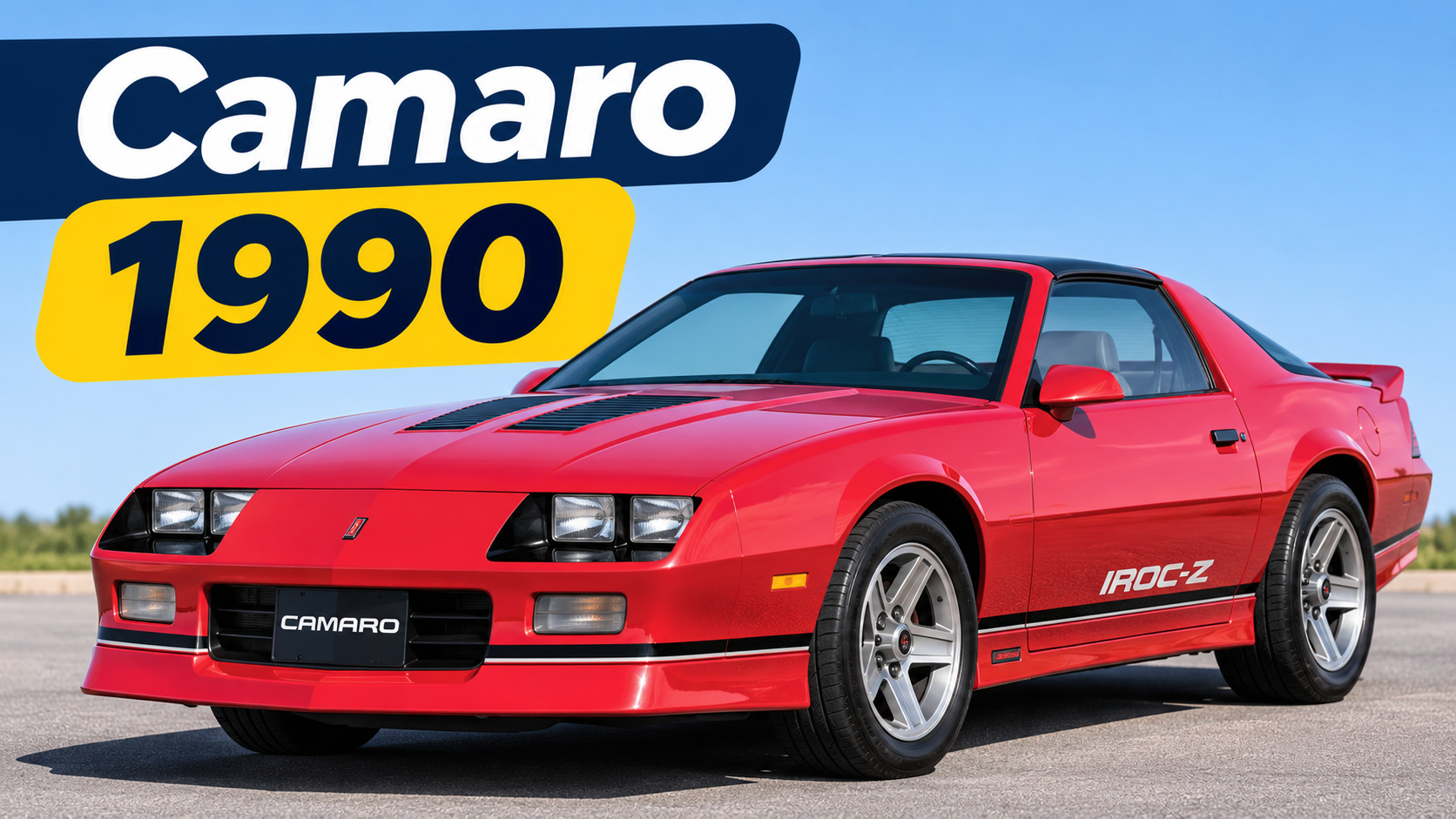
The Camaro 1990 remains one of Chevrolet’s most recognizable classic American performance cars. With its aggressive styling, powerful V8 engine options, and distinctive appearance, the 1990 Chevrolet Camaro represents an exciting chapter in automotive history. Part of the third-generation Camaro family, this model attracted drivers who wanted sporty performance without sacrificing everyday usability. Today, it continues to interest collectors, restoration enthusiasts, and muscle car fans.
Overview of the 1990 Chevrolet Camaro
The 1990 Chevrolet Camaro belongs to the third generation, produced between 1982 and 1992.
Chevrolet offered two main versions for the 1990 model year: the RS and the performance-focused IROC-Z.
Both featured rear-wheel drive, a low body profile, and the recognizable Camaro design.
The 1990 model year was particularly important because it marked the final appearance of the legendary IROC-Z nameplate.
Camaro 1990 Engine Options and Horsepower
The 1990 Camaro offered several engine configurations depending on the model.
| Engine | Horsepower |
|---|---|
| 3.1L V6 | 140 hp |
| 5.0L V8 (TBI) | 170 hp |
| 5.0L V8 (TPI) | 210–230 hp |
| 5.7L V8 (TPI) | Up to 245 hp |
The 3.1-liter V6 provided an accessible entry point, while V8 models delivered stronger acceleration and torque.
The 5.7-liter V8 was especially desirable among performance enthusiasts.
Engine availability, horsepower, and transmission compatibility depended on the specific configuration.
1990 Camaro IROC-Z Performance
The 1990 Camaro IROC-Z was the standout performance model.
Its name came from the International Race of Champions, a racing series associated with Chevrolet’s performance image.
The IROC-Z featured sport-tuned suspension, distinctive wheels, aerodynamic body elements, and recognizable exterior graphics.
Models equipped with the 5.7-liter V8 could produce up to 245 horsepower.
This combination made the IROC-Z one of the more exciting American performance cars of its time.
Exterior Design and Interior Features
The Camaro’s wedge-shaped body, long hood, and wide stance created an unmistakable appearance.
Its exterior included rectangular headlights, a sloping rear hatch, and sporty body detailing.
Inside, drivers found a functional dashboard, supportive seating, and straightforward controls.
Depending on the model and selected options, buyers could enjoy air conditioning, power accessories, and removable T-top roof panels.
The driver’s-side airbag also became standard for 1990.
How Much Is a 1990 Camaro Worth Today?
The value of a 1990 Chevrolet Camaro depends heavily on its condition, mileage, engine, originality, and maintenance history.
Well-preserved IROC-Z models generally attract stronger collector interest than ordinary RS versions.
Rare configurations and vehicles with documented ownership histories may command higher prices.
Modified cars can also appeal to enthusiasts, although extensive alterations may reduce interest among originality-focused collectors.
Checking recent auction results and specialist valuation guides provides a better estimate than relying on a single advertised price.
Is the Camaro 1990 a Good Classic Car?
The 1990 Camaro appeals to enthusiasts who appreciate classic American performance and distinctive automotive styling.
Its rear-wheel-drive layout, V8 options, and recognizable design make it enjoyable for collectors.
However, potential buyers should inspect the engine, transmission, suspension, electrical systems, and body for corrosion or previous damage.
Finding a well-maintained example can reduce unexpected restoration expenses.
The Camaro 1990 remains a memorable Chevrolet model, particularly because it represents the final production year of the celebrated IROC-Z.