 By Admin
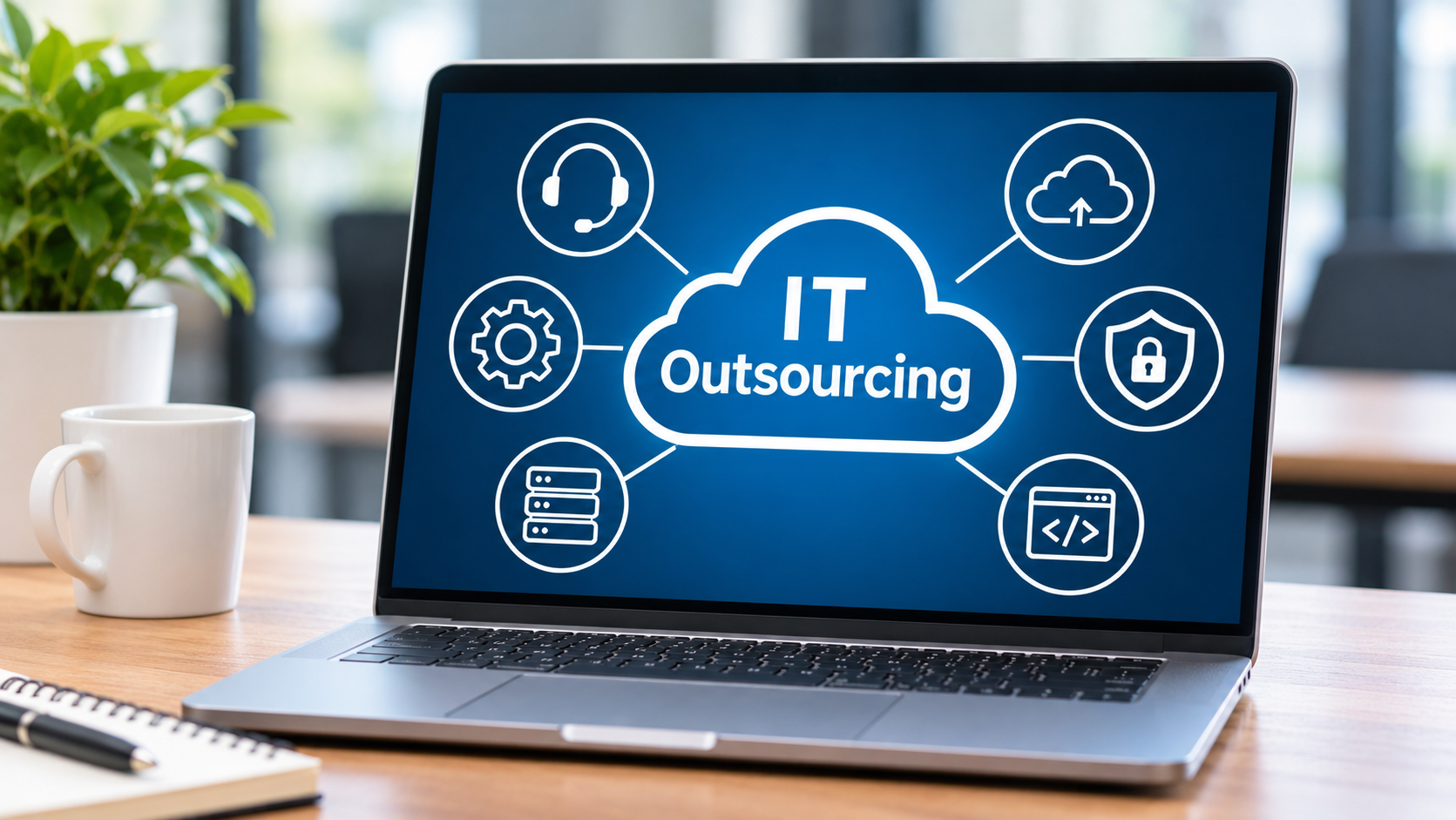
Outsourcing IT has become an important business strategy for companies looking to reduce operational costs, improve efficiency, and access specialized technology expertise. Instead of managing every technical responsibility internally, businesses can hire external service providers to handle IT support, cybersecurity, cloud computing, and software development.
From small startups to large organizations, IT outsourcing offers flexible solutions that help businesses stay competitive in an increasingly digital world.
What Is Outsourcing IT?
Outsourcing IT refers to hiring an external company or technology specialist to manage specific information technology services.
These services may include maintaining computer networks, troubleshooting technical problems, developing applications, managing databases, and protecting sensitive information.
Businesses can outsource individual projects or entire IT operations depending on their requirements.
The goal is to access reliable technical expertise while allowing internal employees to focus on essential business activities.
Types of IT Outsourcing Services
Companies use different IT outsourcing models based on their budgets and technical needs.
1. IT Support and Help Desk
Outsourced IT support providers assist employees with technical problems, software installations, device management, and system troubleshooting.
2. Cloud Computing Services
Cloud outsourcing helps businesses manage online storage, cloud infrastructure, data backups, and application hosting.
3. Cybersecurity Services
External cybersecurity specialists monitor threats, assess vulnerabilities, and support security incident response.
4. Software Development
Businesses can hire external development teams to build websites, mobile applications, and customized software solutions.
5. Managed IT Services
Managed service providers offer ongoing technical support, system monitoring, maintenance, and infrastructure management under service agreements.
Benefits of Outsourcing IT for Businesses
IT outsourcing provides several potential advantages.
- Cost efficiency: Businesses can reduce some recruitment, training, and infrastructure expenses.
- Technical expertise: External providers offer access to experienced IT professionals.
- Scalability: Services can expand or decrease as business requirements change.
- Improved productivity: Internal teams can concentrate on core responsibilities.
- Technology access: Providers may offer specialized tools and modern infrastructure.
However, actual savings depend on contract terms, service quality, and the complexity of outsourced operations.
Challenges and Risks of IT Outsourcing
Although outsourcing IT offers benefits, businesses should understand its potential disadvantages.
Data privacy and cybersecurity are major concerns when third-party vendors access confidential systems.
Communication difficulties, unexpected charges, service interruptions, and dependence on external providers can also create operational challenges.
Businesses should establish clear contracts, security requirements, and service-level agreements to reduce these risks.
How Much Does IT Outsourcing Cost?
IT outsourcing costs vary depending on business size, location, service complexity, and provider experience.
Some companies charge fixed monthly fees for managed IT services, while others use hourly rates or project-based pricing.
For example, basic help desk assistance may cost less than advanced cybersecurity management or custom software development.
Comparing detailed quotations helps businesses understand total expenses before signing contracts.
How to Choose the Right IT Outsourcing Company
Selecting a reliable provider requires careful evaluation.
Businesses should review technical qualifications, customer testimonials, cybersecurity practices, and industry experience.
It’s also important to examine response times, communication procedures, service guarantees, and contract flexibility.
A trustworthy IT outsourcing partner should provide transparent pricing, measurable performance standards, and appropriate data protection.
Is Outsourcing IT Worth It in 2026?
For many organizations, outsourcing IT can be a practical solution for managing growing technology demands.
It allows businesses to access specialized skills without necessarily maintaining a large internal technology department.
However, outsourcing is most effective when companies maintain clear oversight, define responsibilities, and regularly evaluate provider performance.
Ultimately, outsourcing IT can support business growth, operational efficiency, and technological innovation when implemented through careful planning and reliable partnerships.