
 By Admin
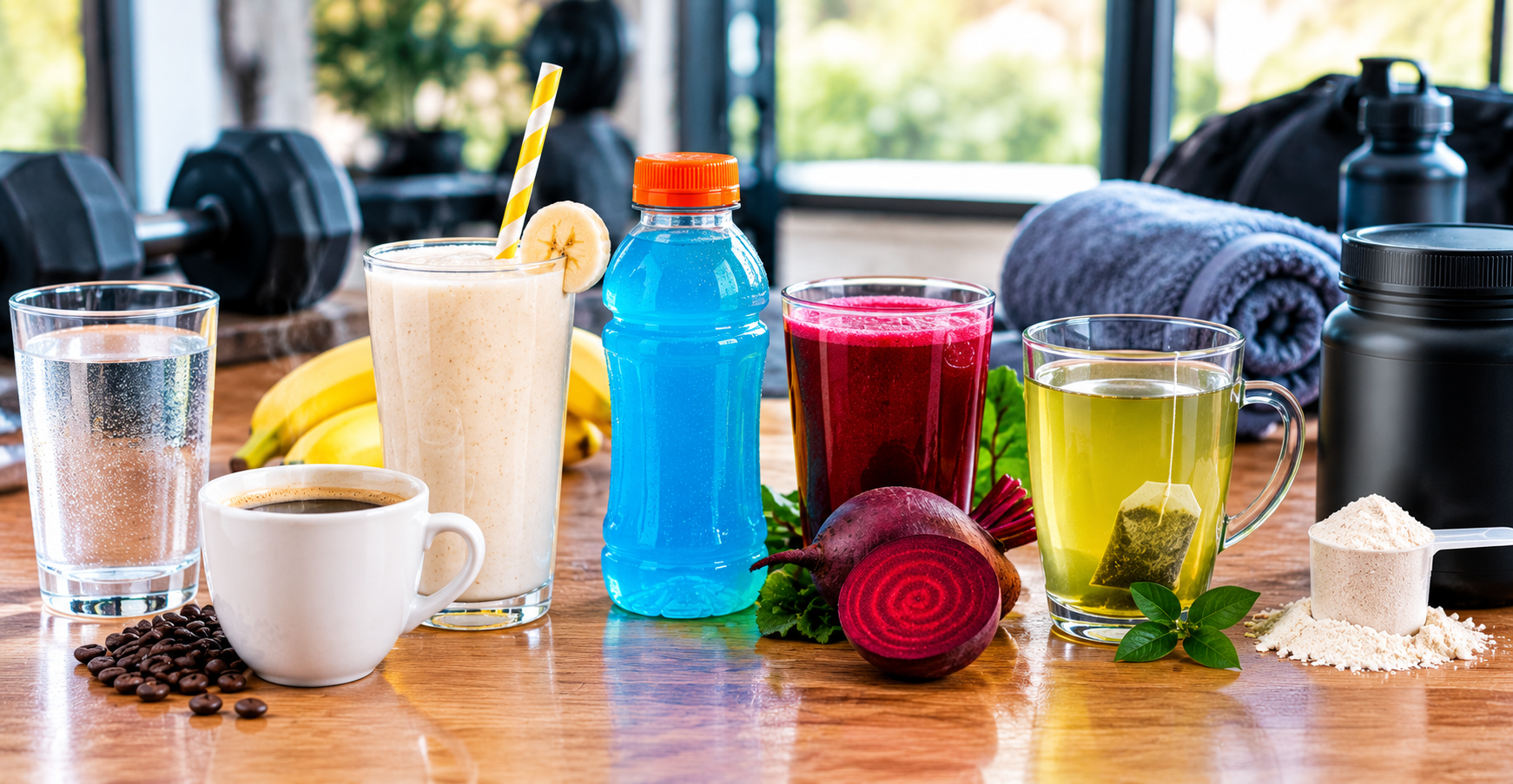
Choosing the best pre workout drink can make a noticeable difference in how you feel during exercise. Whether you are lifting weights, running, cycling, or following a fitness class, the right drink can help you stay hydrated, feel energized, and maintain your performance throughout a workout.
However, not every workout requires an expensive supplement or a highly caffeinated energy drink. Sometimes, a simple glass of water, a cup of coffee, or a homemade smoothie is enough to support your training.
The best choice depends on your workout intensity, personal tolerance, fitness goals, and how much time you have before exercising. Understanding the available options can help you find a drink that fits your routine without unnecessary ingredients or expense.
What Is the Best Pre Workout Drink?
For most people, water is the best starting point for hydration, while coffee or a properly formulated pre-workout supplement may help improve energy and exercise performance. The ideal option depends on the type of workout and your individual needs.
Here are some common choices:
- Water: A simple option for everyday workouts and maintaining hydration.
- Black coffee: Provides caffeine, which may improve alertness and exercise performance.
- Banana smoothie: Supplies carbohydrates that can help fuel exercise.
- Electrolyte drinks: Can help replace electrolytes during prolonged exercise or workouts involving heavy sweating.
- Commercial pre-workout supplements: May contain caffeine, creatine, beta-alanine, or other ingredients designed for specific performance goals.
No single drink is best for everyone. Someone going for a short morning walk may need nothing more than water, while someone completing an intense training session lasting more than an hour may benefit from additional carbohydrates or electrolytes.
1. Water: The Best Everyday Pre Workout Drink
Water is often overlooked because it does not promise dramatic energy boosts. Nevertheless, staying hydrated is one of the most important parts of preparing for exercise.
When your body loses too much fluid through sweating, your workout may feel harder. Dehydration can contribute to fatigue, headaches, dizziness, and reduced physical performance.
Drinking water before exercise helps you begin your session in a better position to maintain normal body functions.
Why Water Works
Water supports several processes involved in physical activity, including temperature regulation, circulation, and the transportation of nutrients.
It is also inexpensive, widely available, and free from added sugar and stimulants.
For most short or moderate workouts, water is generally sufficient, provided you are adequately hydrated before starting.
When to Drink Water Before a Workout
Rather than drinking a large amount immediately before exercise, spread your fluid intake throughout the hours leading up to your session.
Drink according to thirst and consider factors such as temperature, workout intensity, and how much you typically sweat.
During longer sessions, continue drinking as needed. Avoid forcing excessive amounts of water in a short period because drinking too much can dangerously dilute the sodium concentration in your blood.
Best for: Beginners, everyday gym sessions, walking, light cardio, and people who prefer a simple approach to fitness.
2. Black Coffee: A Popular Choice for Energy
Coffee is one of the most popular alternatives to commercial pre-workout supplements. Its main performance-related ingredient is caffeine, a stimulant that affects the central nervous system.
Caffeine may improve alertness, reduce the perception of effort, and support certain aspects of endurance and exercise performance.
This can make coffee particularly appealing to people who train early in the morning or feel sluggish before a workout.
Benefits of Coffee Before Exercise
A cup of coffee provides caffeine without requiring a complicated supplement routine.
Depending on the preparation, it can also contain very few calories when consumed without sugar, cream, or flavored syrups.
Research suggests that caffeine can benefit some forms of exercise, although individual responses vary. Some people feel more focused, while others experience nervousness, stomach discomfort, or a racing heartbeat.
How Long Before a Workout Should You Drink Coffee?
Many people consume caffeine approximately 30 to 60 minutes before exercising. This allows time for the caffeine to begin taking effect.
The amount of caffeine in a cup depends on the coffee beans, serving size, and preparation method, so a large coffee may contain considerably more than a small one.
Start with a small serving if you are unfamiliar with caffeine. You do not need a large dose to determine whether it suits you.
For most healthy adults, the US Food and Drug Administration cites 400 milligrams of caffeine per day as an amount not generally associated with negative effects. This is not a target or a guarantee of safety for every person, and caffeine from all sources should be counted.
People who are pregnant, sensitive to caffeine, or living with certain medical conditions may need to limit or avoid it.
Best for: Adults who tolerate caffeine and want a simple option to support alertness before exercise.
3. Banana Smoothie: A Natural Source of Workout Fuel
If you want something more substantial than water or coffee, a banana smoothie can be a practical choice.
Bananas provide carbohydrates, which the body uses for energy during physical activity. Blending a banana with milk or a suitable milk alternative can also provide additional nutrients.
This makes a smoothie useful for people who exercise after several hours without food or prefer a small drink before training.
A Simple Pre Workout Banana Smoothie
You can prepare a basic smoothie using everyday ingredients.
Ingredients:
- 1 medium banana
- 1 cup of milk or an unsweetened milk alternative
- A few ice cubes
- A small amount of water if needed to adjust the consistency
Preparation:
- Peel the banana and place it in a blender.
- Add the milk and ice cubes.
- Blend until smooth.
- Drink it at a pace that feels comfortable before your workout.
You can add yogurt or a small amount of oats if you want additional protein or carbohydrates, although a thicker smoothie may take longer to digest.
Why It Can Help
Carbohydrates are an important fuel source for moderate- to high-intensity exercise. A banana smoothie provides an accessible way to consume them without preparing a full meal.
However, large smoothies may feel uncomfortable during running or other activities involving considerable movement.
If you have a sensitive stomach, begin with a smaller serving and allow enough time for digestion.
Best for: People who need energy from food, morning exercisers, and those who prefer homemade options.
4. Electrolyte Drinks: Useful for Long or Sweaty Workouts
Electrolyte drinks contain minerals such as sodium and potassium. Some also provide carbohydrates in the form of sugar.
These drinks can be useful when exercise lasts a long time, takes place in hot conditions, or causes substantial fluid and electrolyte losses through sweat.
They are not automatically necessary for every gym session.
What Do Electrolytes Do?
Electrolytes help regulate fluid balance, nerve signaling, and muscle function.
Sodium is particularly important when replacing salt lost through heavy sweating. Carbohydrates in some sports drinks can also provide energy during prolonged activity.
The amount you need depends on your workout, environment, sweat rate, and diet.
When Should You Choose an Electrolyte Drink?
For many ordinary workouts lasting less than an hour, water and regular meals are sufficient.
Electrolyte drinks may be more useful during extended endurance exercise, repeated training sessions, or activities performed in hot and humid conditions.
People who exercise heavily in hot weather may need a more individualized hydration strategy.
Best for: Endurance athletes, long training sessions, and people who sweat heavily.
5. Commercial Pre Workout Drinks: Are They Worth It?
Commercial pre-workout products are designed to help people prepare for exercise. They are sold as powders, ready-to-drink beverages, capsules, and other formulations.
Some contain caffeine and ingredients intended to support performance, while others emphasize hydration, focus, or muscle-related goals.
Their effectiveness depends on the ingredients, amounts, quality, and the person using them.
Common Ingredients in Pre Workout Products
Caffeine: May improve alertness and certain aspects of physical performance.
Creatine monohydrate: Supports high-intensity exercise performance and strength-related training over time. It is usually taken consistently rather than relying on a single pre-workout serving for an immediate effect.
Beta-alanine: May help with certain high-intensity activities when taken regularly in appropriate amounts. It can cause a harmless tingling sensation in some users.
Citrulline: Included in some formulations to support exercise-related blood flow, although the strength of evidence varies by product, dose, and outcome.
Electrolytes: Help replace minerals lost through sweating when the workout and conditions justify their use.
Not every ingredient is necessary, and more ingredients do not automatically mean a better product.
What to Check Before Buying
Read the complete ingredient label and look at the amount of each active ingredient per serving.
Pay particular attention to caffeine content, especially if you also drink coffee, tea, energy drinks, or other caffeinated beverages.
Avoid products with unclear ingredient amounts or exaggerated promises about rapid muscle growth or extreme fat loss.
Choosing products tested by reputable independent organizations can provide additional assurance about ingredient quality and contamination, although certification does not guarantee that a supplement will be effective or suitable for you.
Best for: Experienced exercisers who understand their goals, tolerate the ingredients, and have a clear reason to use a supplement.
6. Beetroot Juice: An Option for Endurance Exercise
Beetroot juice has attracted attention in sports nutrition because it contains dietary nitrate.
The body can convert nitrate into nitric oxide, a molecule involved in blood vessel function. Research suggests that nitrate-rich beetroot products may improve exercise efficiency or endurance in some circumstances.
However, results are mixed, and the benefits are not equally noticeable for everyone.
Potential Benefits of Beetroot Juice
Some studies have found improvements in certain endurance activities, particularly among recreational athletes. Other studies have reported smaller or no meaningful effects.
The amount of nitrate in beetroot juice varies, so ordinary beetroot juice is not necessarily equivalent to a standardized product used in research.
It can also have a strong earthy taste and may cause digestive discomfort in some people.
Is Beetroot Juice Better Than Coffee?
Neither option is universally better.
Coffee mainly provides caffeine, while beetroot juice supplies dietary nitrate. Their potential effects differ, and the best choice depends on the type of exercise, personal tolerance, and individual health considerations.
People taking blood pressure medication or medication that affects blood vessels should consult a healthcare professional before using concentrated beetroot products for performance purposes.
Best for: People interested in exploring a food-based option for endurance exercise.
7. Coconut Water: A Refreshing Hydration Option
Coconut water contains water and naturally occurring electrolytes, including potassium. It can be a refreshing drink before or after exercise.
However, it is not a complete replacement for every sports drink because its sodium content may be relatively low for people who lose large amounts of salt through sweat.
Advantages of Coconut Water
Coconut water offers an alternative to heavily sweetened beverages. It also provides some carbohydrates, although the amount varies by product.
For shorter workouts, it may simply be an enjoyable way to increase fluid intake.
For long endurance sessions in hot conditions, a drink with a more suitable sodium concentration may be more appropriate.
Check the label for added sugar if you prefer an unsweetened option.
Best for: People who enjoy its taste and want an alternative beverage for ordinary hydration needs.
8. Green Tea: A Gentler Caffeinated Option
Green tea contains caffeine, although typically less than many servings of coffee. It also contains plant compounds called catechins.
Some people prefer green tea because it offers a lighter caffeine intake and can be easier to fit into their daily routine.
However, the caffeine content varies with the type of tea, brewing time, and serving size.
Is Green Tea Good Before Exercise?
Green tea may help improve alertness if its caffeine content is sufficient for your individual response.
It is not a substitute for proper hydration or adequate food intake, and evidence that green tea alone produces meaningful improvements in workout performance is limited.
People who are sensitive to caffeine should still pay attention to the amount they consume.
Best for: People who prefer a mild caffeinated drink before a light or moderate workout.
Best Pre Workout Drink Based on Your Fitness Goal
Your fitness goal can help narrow down the available choices.
| Fitness goal | Drink to consider | Why it may help |
|---|---|---|
| General fitness | Water | Supports hydration |
| Morning energy | Black coffee | Caffeine may improve alertness |
| Weight training | Water or coffee | Supports hydration, with optional caffeine |
| Muscle-building nutrition | Banana smoothie | Provides carbohydrates and potentially protein |
| Long-distance running | Sports drink when needed | Supplies fluid and carbohydrates |
| Training in hot weather | Water or an appropriate electrolyte drink | Helps replace fluid and, when needed, sodium |
| Endurance performance | Beetroot juice | May benefit some forms of endurance exercise |
| Lower caffeine intake | Green tea | Provides a smaller caffeine dose in many preparations |
These are general suggestions rather than strict rules. Food intake, exercise duration, medical considerations, and personal preferences can change which option makes the most sense.
What Is the Best Pre Workout Drink for Weight Loss?
People trying to lose weight often look for drinks that increase fat burning before exercise.
However, no beverage independently guarantees weight loss. Long-term results depend largely on overall energy intake, physical activity, sleep, and habits that can be maintained over time.
Water is a practical choice because it contains no calories. Unsweetened coffee or tea can also fit into a weight-management plan if caffeine is appropriate for the individual.
A homemade smoothie may be useful before demanding exercise, but its calories should be considered as part of the overall diet rather than treated as automatically beneficial or harmful.
Be cautious of products advertised as powerful fat burners. High caffeine doses and poorly disclosed stimulant blends can cause unwanted effects without delivering the promised results.
For sustainable weight management, focus on regular exercise, balanced meals, adequate protein, and a realistic approach to calorie intake.
What Is the Best Pre Workout Drink for Muscle Gain?
Building muscle requires progressive resistance training, adequate recovery, and sufficient nutrition. A pre-workout drink can support these goals, but it cannot replace them.
For a workout after several hours without food, a banana smoothie made with milk or another protein-containing ingredient can provide carbohydrates and protein.
For people who already eat enough protein and calories, water or coffee may be sufficient before lifting weights.
Creatine monohydrate is another option with substantial evidence supporting its use for improving high-intensity exercise capacity and supporting gains in strength and lean body mass when combined with resistance training. It is generally taken regularly, not simply as an occasional pre-workout drink.
If your goal is muscle gain, consider your overall daily protein intake, calorie needs, training program, and sleep rather than focusing exclusively on what you drink immediately before exercise.
What Should You Avoid Drinking Before a Workout?
Some beverages can make exercise less comfortable or introduce unnecessary risks.
Excessive Caffeine
Too much caffeine may cause anxiety, tremors, digestive problems, a rapid heartbeat, or difficulty sleeping.
Avoid combining several high-caffeine products without checking their total content. Taking a stimulant late in the day may also interfere with recovery by disrupting sleep.
Alcohol
Alcohol is not an appropriate pre-workout drink. It can impair coordination, judgment, and exercise performance while complicating hydration.
Avoid drinking alcohol before training, particularly before activities involving heavy weights, machinery, road traffic, or challenging outdoor conditions.
Large, Sugary Drinks
Large amounts of sugar immediately before exercise may cause stomach discomfort in some people.
Sugar itself is not always undesirable: carbohydrates can be useful during prolonged or intense exercise. The important factors are the amount, timing, and your individual tolerance.
Unverified Supplement Blends
Avoid supplements that hide ingredient amounts behind proprietary blends or promise unrealistic results.
Some products contain excessive stimulants or ingredients that may interact with medication. If you have a medical condition or take prescription drugs, ask a qualified healthcare professional before starting a pre-workout supplement.
When Should You Drink Your Pre Workout Beverage?
Timing depends on the drink and your digestive comfort.
- Water: Drink regularly in the hours before exercise and as needed during training.
- Coffee: Many people take it approximately 30–60 minutes before exercise.
- A banana smoothie: Allow enough time to digest it comfortably; around 30–90 minutes may work for some people.
- A carbohydrate-containing sports drink: It can be consumed before or during longer exercise, depending on your fueling needs.
- Commercial pre-workout supplements: Follow the product’s directions and check the ingredient amounts, especially caffeine.
These timings are flexible guidelines rather than strict requirements. If you experience stomach discomfort, experiment with smaller portions or a longer gap between drinking and exercise.
A Simple Homemade Pre Workout Drink Recipe
If you prefer an affordable option without a complicated supplement formula, try a banana and yogurt smoothie.
Ingredients:
- 1 medium banana
- ½ cup plain yogurt
- ½ cup milk or an unsweetened milk alternative
- A few ice cubes
- A little water if needed
Instructions:
- Add all ingredients to a blender.
- Blend until smooth.
- Adjust the consistency with a little water.
- Drink a comfortable serving before your workout.
The banana provides carbohydrates, while yogurt and milk can contribute protein. The exact nutritional content depends on the ingredients and serving sizes.
This recipe is not necessary for every workout, and it may be too filling for some people before running. You can use a smaller portion or choose water instead if you prefer to exercise with a lighter stomach.
Frequently Asked Questions
Is water the best pre workout drink?
Water is the best starting point for most people’s hydration needs. For intense or prolonged exercise, other options may provide additional carbohydrates, electrolytes, or caffeine when appropriate.
Can I drink coffee before working out?
Yes, many healthy adults can drink coffee before exercise. Caffeine may improve alertness and certain performance outcomes, but it can cause side effects in sensitive individuals. Keep track of your total daily caffeine intake.
Is a pre-workout drink necessary?
No. Many people exercise effectively with water and a suitable meal or snack. Supplements are optional and should address a specific need rather than replace good nutrition, hydration, and sleep.
What should I drink before a morning workout?
Water is a sensible starting point. If you tolerate caffeine, coffee or tea may help with alertness. If you are hungry or planning an intense session, a small carbohydrate-containing snack or smoothie may also help.
Can I drink a pre-workout beverage every day?
Water can be consumed daily as part of normal hydration. Coffee and other caffeinated drinks may also fit into a daily routine when consumed in appropriate amounts. Supplement use depends on the formulation, dosage, health status, and individual tolerance.
What is the best pre workout drink without caffeine?
Water, a banana smoothie, and suitable electrolyte drinks are all caffeine-free options. Choose based on your workout duration, hydration needs, and whether you need additional energy from carbohydrates.
Final Thoughts
The best pre workout drink is the one that supports your training needs without causing unnecessary discomfort or risk. For everyday exercise, water is often enough. Coffee may be useful for people who tolerate caffeine, while smoothies provide carbohydrates and potentially protein. Electrolyte drinks are most helpful when exercise and sweating create a greater need for fluid and mineral replacement.
Commercial supplements can also have a role, but their ingredients, dosages, and quality deserve careful attention.
Instead of searching for a magical drink that promises instant results, start with the basics: stay hydrated, eat enough to support your activity, get sufficient sleep, and train consistently. These habits will have a much greater influence on your long-term fitness progress than any single beverage.